Historian & ethnographer of religion
Candy Gunther Brown
I study how Americans practice their faiths — in print and prayer, in sickness and healing, in classrooms, courtrooms, and clinical trials. I am Professor of Religious Studies at Indiana University Bloomington, author or editor of six books, and a past president of the American Society of Church History.

About my work
My research follows a single thread across two centuries: how religious practices travel — through publishing, prayer, medicine, and law — and what happens when they cross into new territory. My first book, The Word in the World, traced evangelicalism through the nineteenth-century print market. That led to the global story of Pentecostal and charismatic healing, to empirical studies of prayer for healing (Testing Prayer), to the religious roots of complementary and alternative medicine (The Healing Gods), and to the contested place of yoga and mindfulness in public schools (Debating Yoga and Mindfulness in Public Schools).
That last question drew me from the archive into the courtroom: I have served as an expert witness in legal challenges to school yoga and meditation programs — testifying, in different cases, for parents and for school districts. I write for general readers in my Psychology Today column, Testing Prayer, and I collaborate with the Global Medical Research Institute on peer-reviewed studies of healing prayer. I am currently completing a biography of the Catholic charismatic healing minister Francis MacNutt and a study of exorcism and deliverance practices.
Now
-
Miracle — the series
Co-executive producer of Miracle, an eight-episode documentary series from Angel Studios investigating claims of miraculous healing through both human stories and scientific inquiry. More on media →
-
Civic Education Debate Tournament
Founding organizer of the First Annual Civic Education Debate Tournament (October 10, 2026, Indiana University), commemorating the 250th anniversaries of the Declaration of Independence and the U.S. Constitution. More on teaching & debate →
-
Books in progress
Father Francis, a biography of Francis S. MacNutt (1925–2020), and Exorcism: Driving out Demons in a Post-Modern World. More →
Selected books
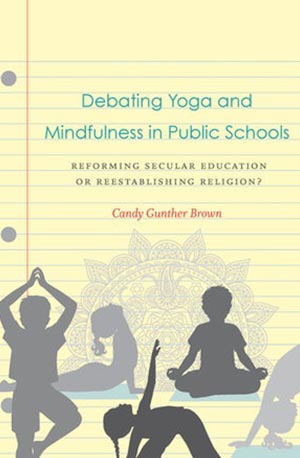
Debating Yoga and Mindfulness in Public Schools (2019)
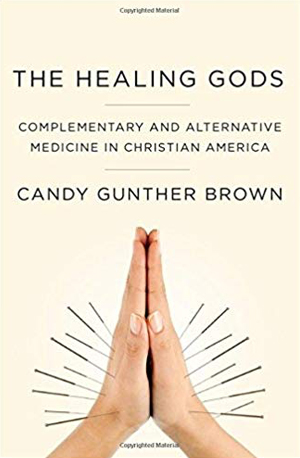
The Healing Gods (2013)
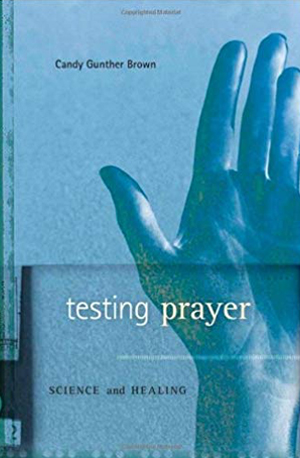
Testing Prayer (2012)
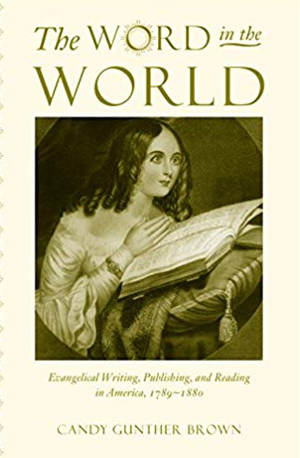
The Word in the World (2004)
Get in touch
For media, speaking, expert-witness, or research inquiries, email [email protected]. Students: see office hours on my IU faculty page.